



The Powerful Future of Lithium Batteries

The Powerful Future of Lithium Batteries
Get ready to rethink lithium batteries—they’re not just for keeping your phone alive amid endless TikTok marathons. These compact energy dynamos are quietly revolutionizing how we drive, power our homes, and protect our planet. Yes, the impact is that huge.
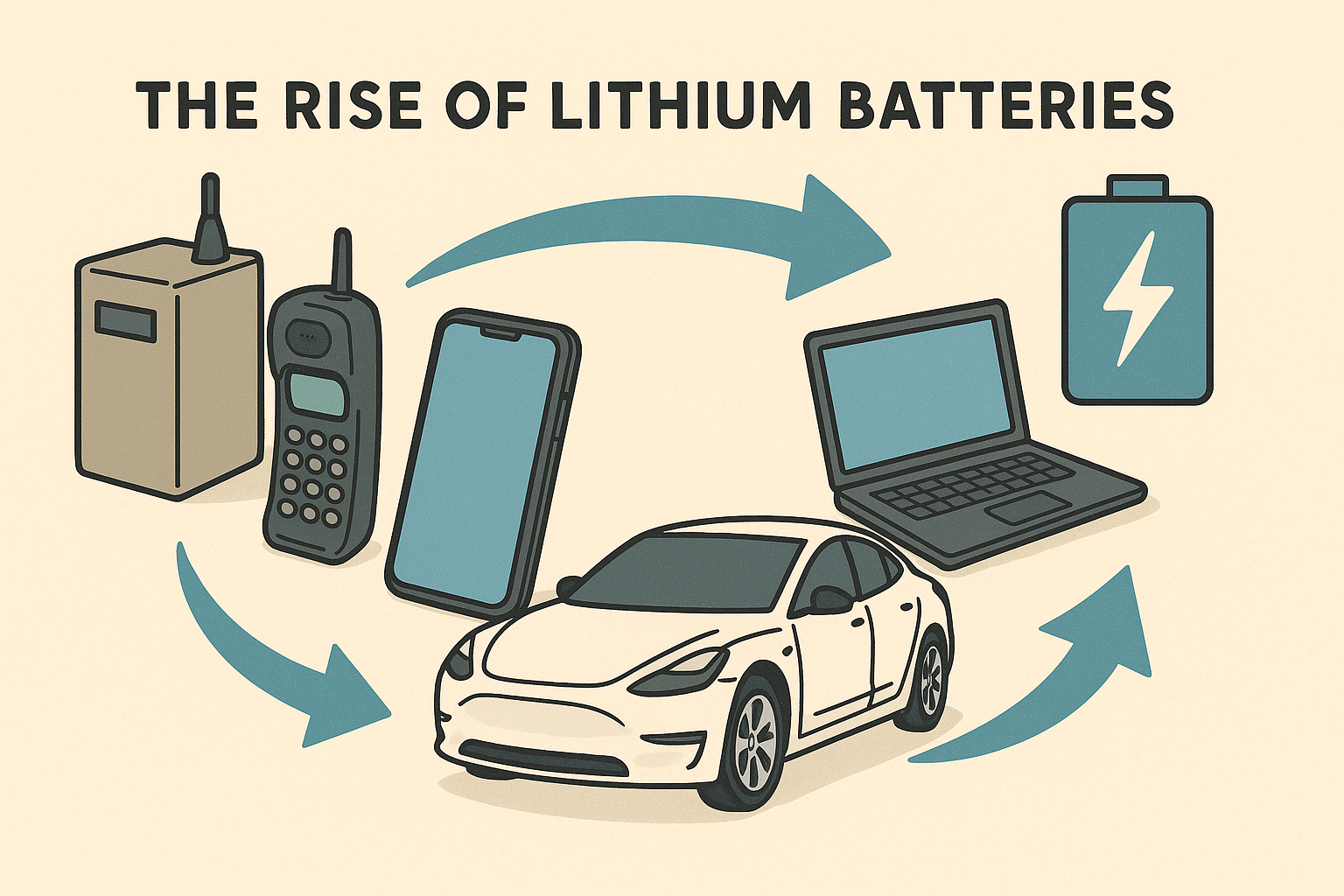
From Tech Innovation to Global Disruptor: Lithium Batteries’ Meteoric Rise
Recall when laptops were bulky and glued to desks? That changed with Sony’s 1991 lithium-ion breakthrough, launching a new era of portable power. Since then, lithium batteries have dramatically boosted energy density—now delivering 250-300 Wh/kg to fuel smartphones, laptops, and electric vehicles like Tesla zipping past gas-guzzlers.
By 2023, lithium batteries powered over 14 million electric vehicles worldwide, making up around 18% of new car sales. Their secret? Lightweight, efficient lithium ions that shuttle electrons faster than you can say “range anxiety.” Although traditional liquid electrolytes posed risks—being flammable and shortening battery life—next-generation solid-state technology is setting a safer, longer-lasting standard.
Bottom line: Lithium batteries surged from niche tech to essential global drivers faster than you can refresh your feed.
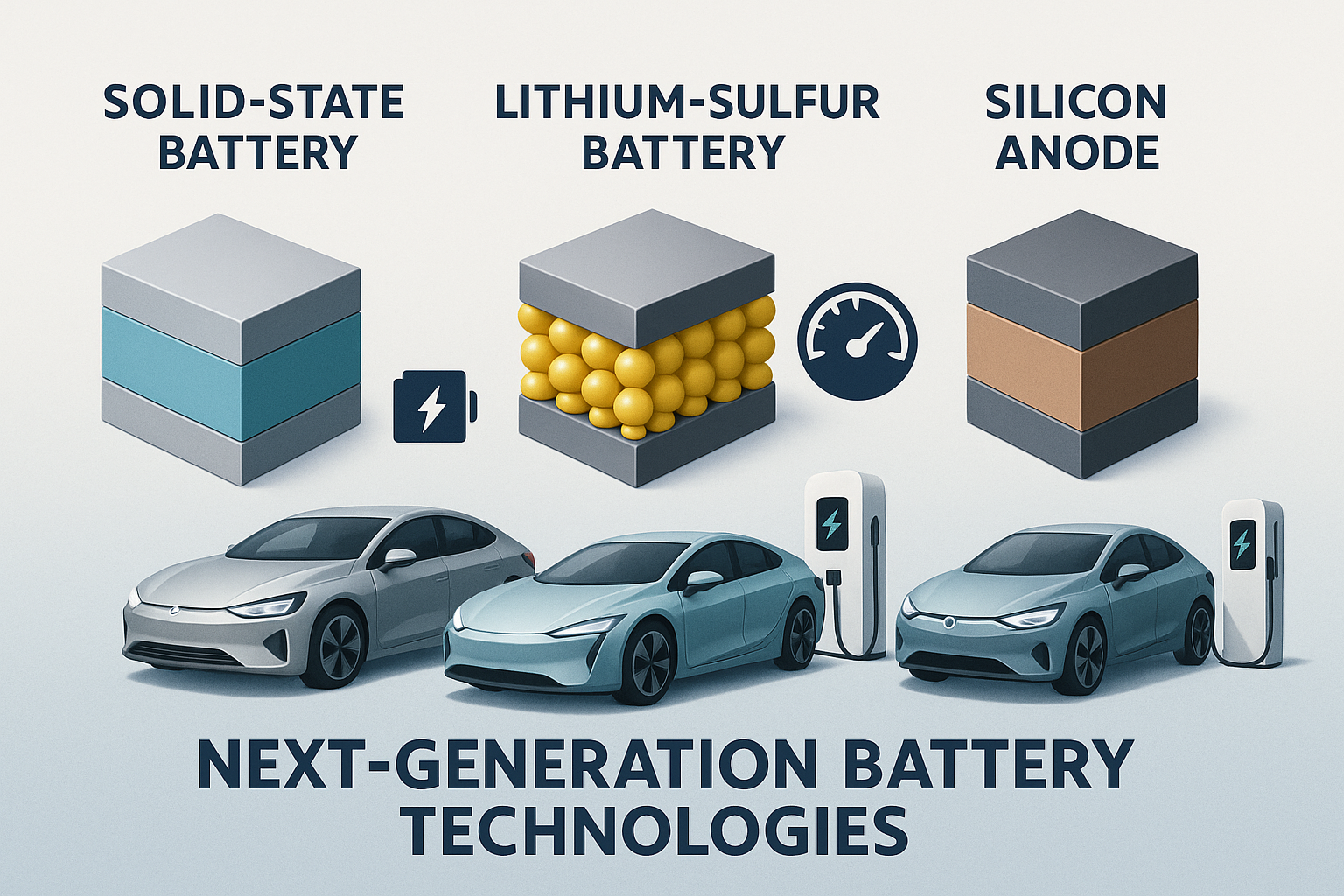
Next-Gen Battery Tech: Transforming Your Tesla’s Range and Beyond
Solid-state batteries, lithium-sulfur, and silicon anodes sound like science fiction, but these innovations are key to cleaner, safer, and more powerful energy.
- Solid-state batteries replace flammable liquids with solid ceramics or polymers, doubling energy density to 500 Wh/kg+. Toyota plans models by 2027 boasting 750-mile ranges—imagine road trips without charger pit stops! Volkswagen’s QuantumScape prototypes handle 1,000 charging cycles with ease, marathon training for your EV’s longevity.
- Lithium-sulfur batteries offer 500-600 Wh/kg at lower costs, using abundant sulfur. CATL’s 2024 “condensed battery” promises a stunning 1,000 km range and ultra-fast 10-minute recharge—that’s speed breakfast can only dream of.
- Silicon anodes boost lithium capacity tenfold over graphite, improving EV range by 20-30%. Companies like Sila Nanotechnologies are already delivering these gains.
The verdict: The future of lithium batteries is looking exciting and game-changing.
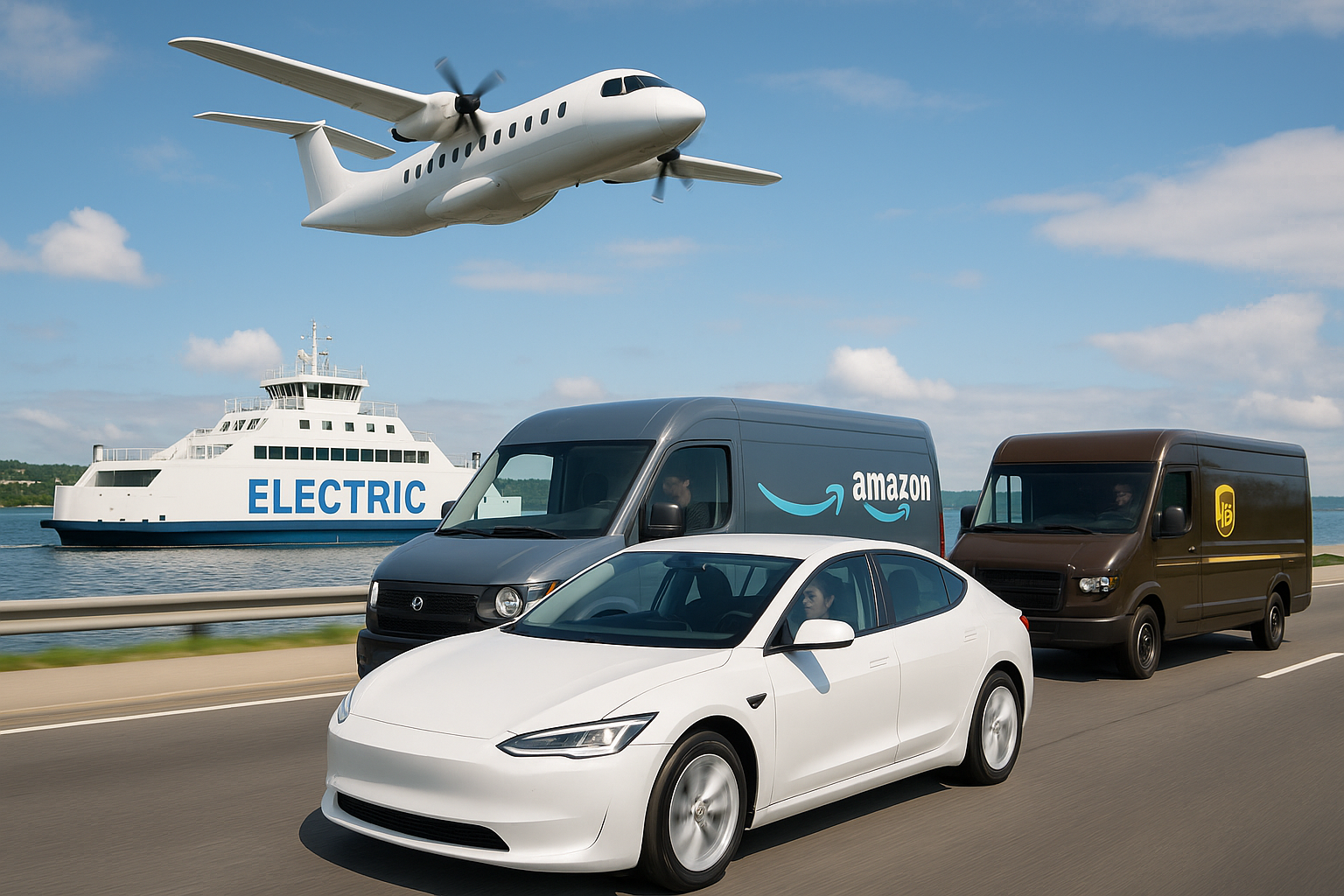
Electric Vehicles: Driving the Clean Energy Revolution
Transportation fuels nearly a third of global CO2 emissions and needs change—fast. Lithium-powered EVs are stepping up:
- Teslas today already hit 400+ miles per charge; future solid-state cells could double that. Picture driving New York to DC without recharging, while annoying your passengers with classic “Are we there yet?” jokes.
- Delivery giants like Amazon and UPS electrify fleets; Rivian’s 2024 vans cover 150 miles daily with zero tailpipe emissions.
- Aviation and shipping aren’t left behind: ZeroAvia’s hydrogen-electric planes paired with lithium batteries and Ampere’s electric ferries are pioneering cleaner transportation.
By 2040, EVs may cut oil demand by 60 million barrels daily—a powerful nudge to fossil fuel giants.
Takeaway: Lithium is quietly making gas stations the next dial-up internet.
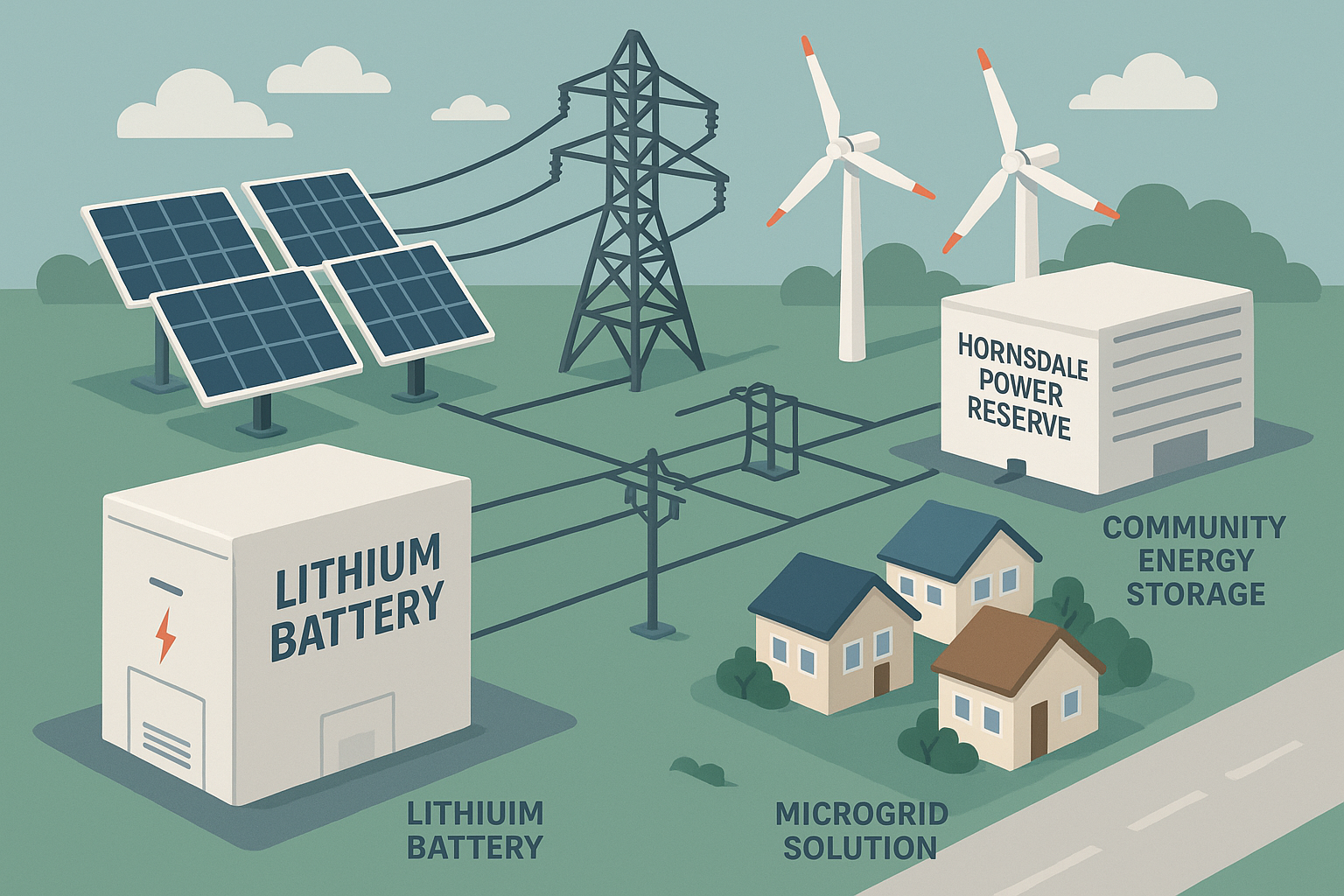
Lithium Batteries: The Backbone of a Smarter Grid
Solar and wind power fluctuate, but lithium batteries store this clean energy for whenever it’s needed.
- Tesla’s Hornsdale Power Reserve in Australia (150 MW/193 MWh) stabilized the grid, saved $40 million, and prevented blackouts—neighbors calling it a hero.
- Global battery storage capacity jumped 50% in 2023, with China leading at 30 GW. Homeowners now pair batteries with solar panels to keep Netflix streaming during outages.
- Off-grid communities in Africa and Puerto Rico microgrids rely on lithium batteries to stay powered through storms and blackouts.
Takeaway: Lithium batteries transform fragile grids into rock-solid energy champions.
Beyond Big Tech: Lithium’s Role in Everyday Life
Lithium batteries aren’t just driving cars and grids—they power the gadgets you rely on daily:
- Foldable phones, life-extending medical implants, and drones with impressive flight times all depend on smart lithium technology.
- NASA’s Artemis missions and SpaceX Starships trust lithium batteries for off-planet energy.
Fun fact: Lithium powers more of your daily tech than your morning coffee.
The Reality Check: Challenges on the Horizon
No superhero is flawless. Lithium faces hurdles:
- Demand could increase 40x by 2040, with mining concentrated in Australia and Chile, and processing dominated by China. The U.S. is boosting production through the Inflation Reduction Act and new gigafactories.
- Mining impacts landscapes and communities; recycling remains low at 5%. However, companies like Redwood Materials recycle Tesla batteries with 95% efficiency, turning old packs into new power.
- The adoption of cobalt-free lithium iron phosphate (LFP) batteries and improved recycling bring hope for sustainable growth.
Bottom line: Lithium batteries have a big role but need careful, responsible management.
Looking Forward: A Charged Future Awaits
By 2030, lithium battery costs may fall to $100 per kWh with production hitting 1 TWh yearly. Vehicle-to-grid technologies could let your EV help power your home, even encouraging you to drive smarter.
The International Energy Agency predicts lithium batteries will drive a 70% emissions cut in transportation and power sectors.
Final Thought
- Lithium batteries offer unmatched energy density and scalability.
- Emerging technologies boost safety, performance, and range.
- Sustainable and ethical challenges are real—support recycling and clean energy policies.
Ready to plug into the electric revolution? Start with a Tesla Powerwall, test drive a Chevy Bolt, or dive into the latest International Energy Agency battery report. Trust us—it’s more thrilling than it sounds.
And if your kids question why you’re all about batteries, just say: “Because the future is charged. Literally.”